Community Power
A key result from ‘Connected Communities Cumbria’ was that of the 646 residents interviewed, only nine people reported they would approach the Council or a Councillor if they wanted to make a positive change in their community. The University of Lancashire developed ‘Community Power’ in response to these findings. The research was designed as relationally-based community-level participatory action research, aiming to foster collaboration between the Council and communities in policy development across the policy cycle.
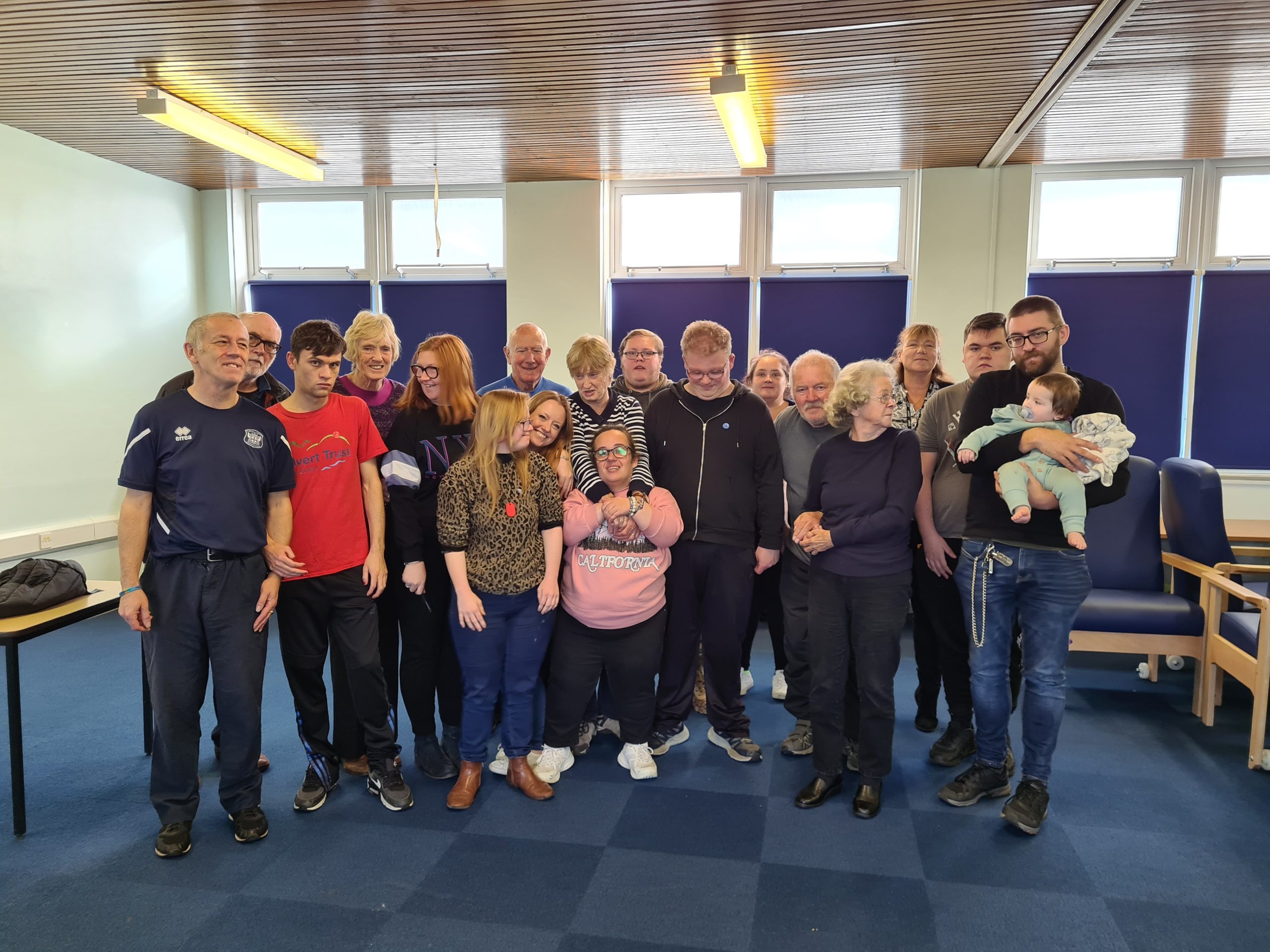
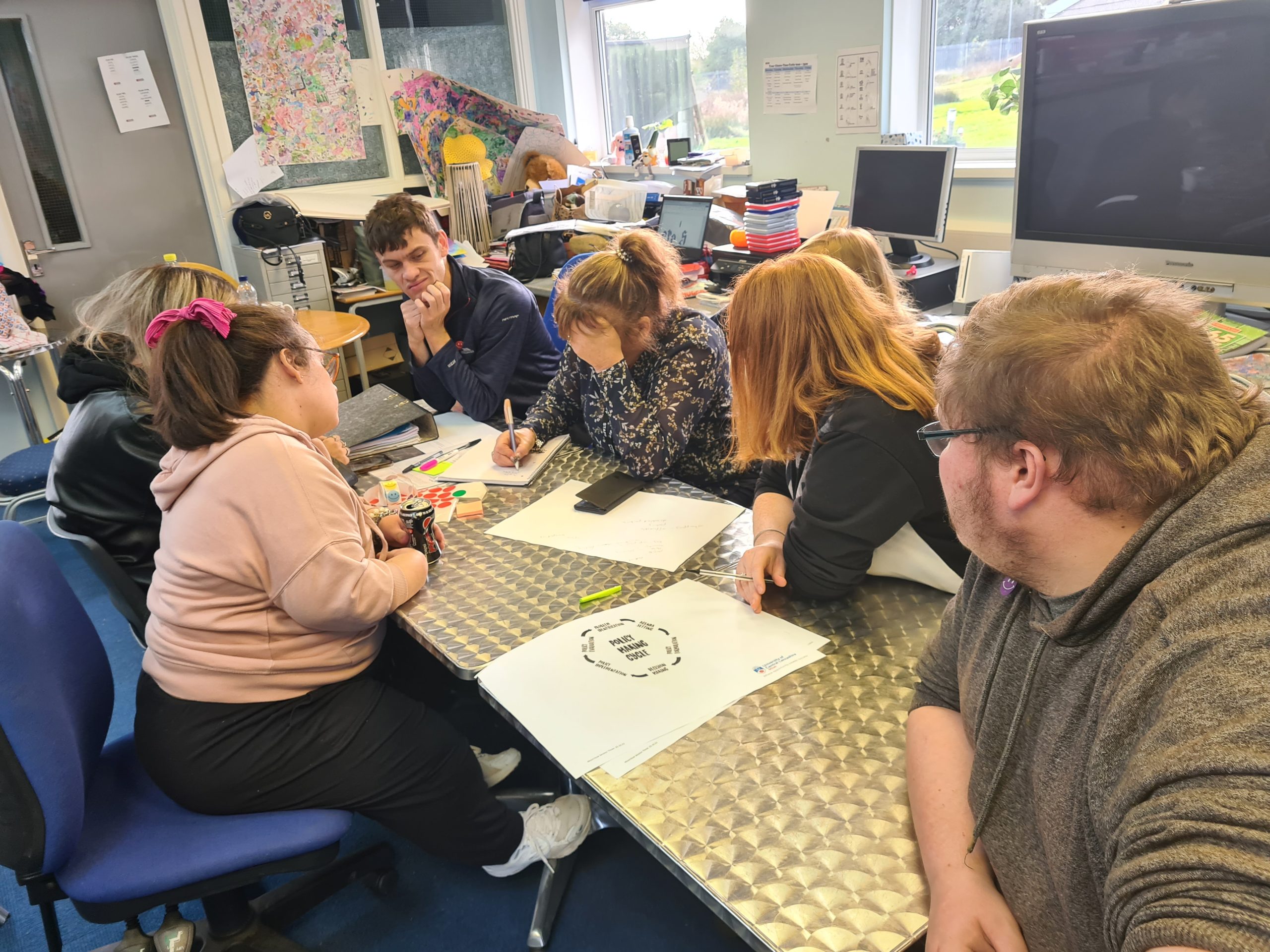
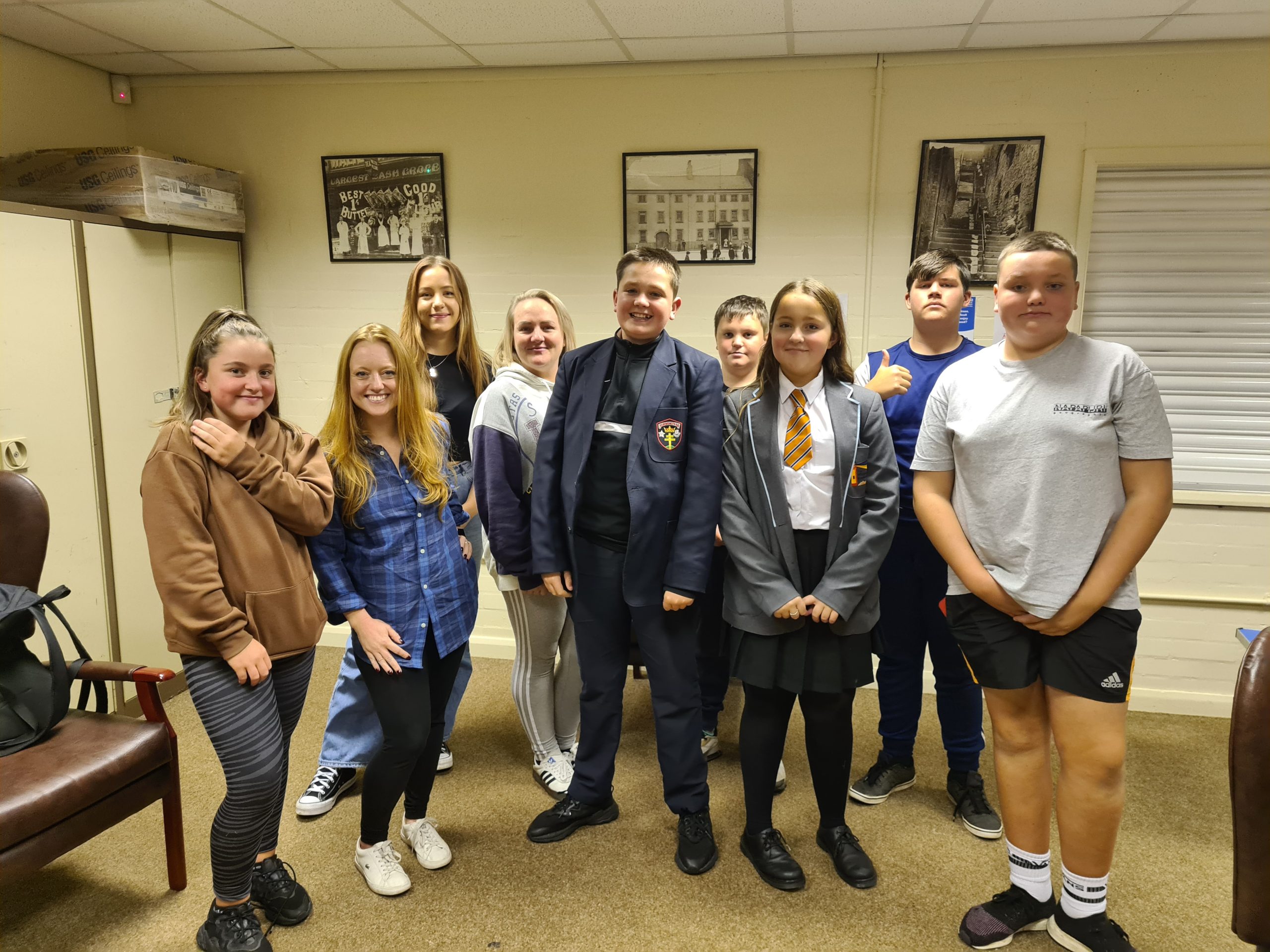
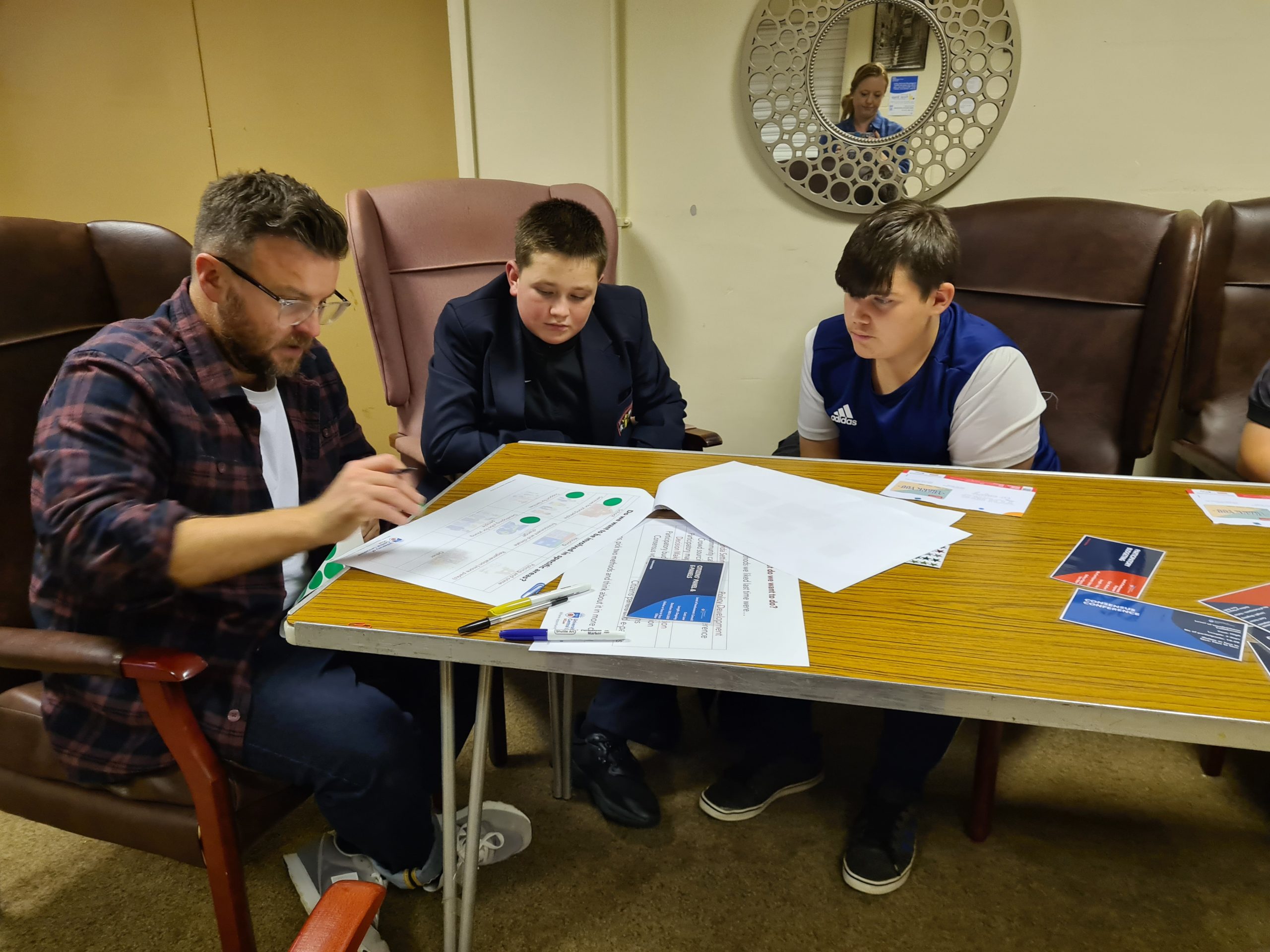
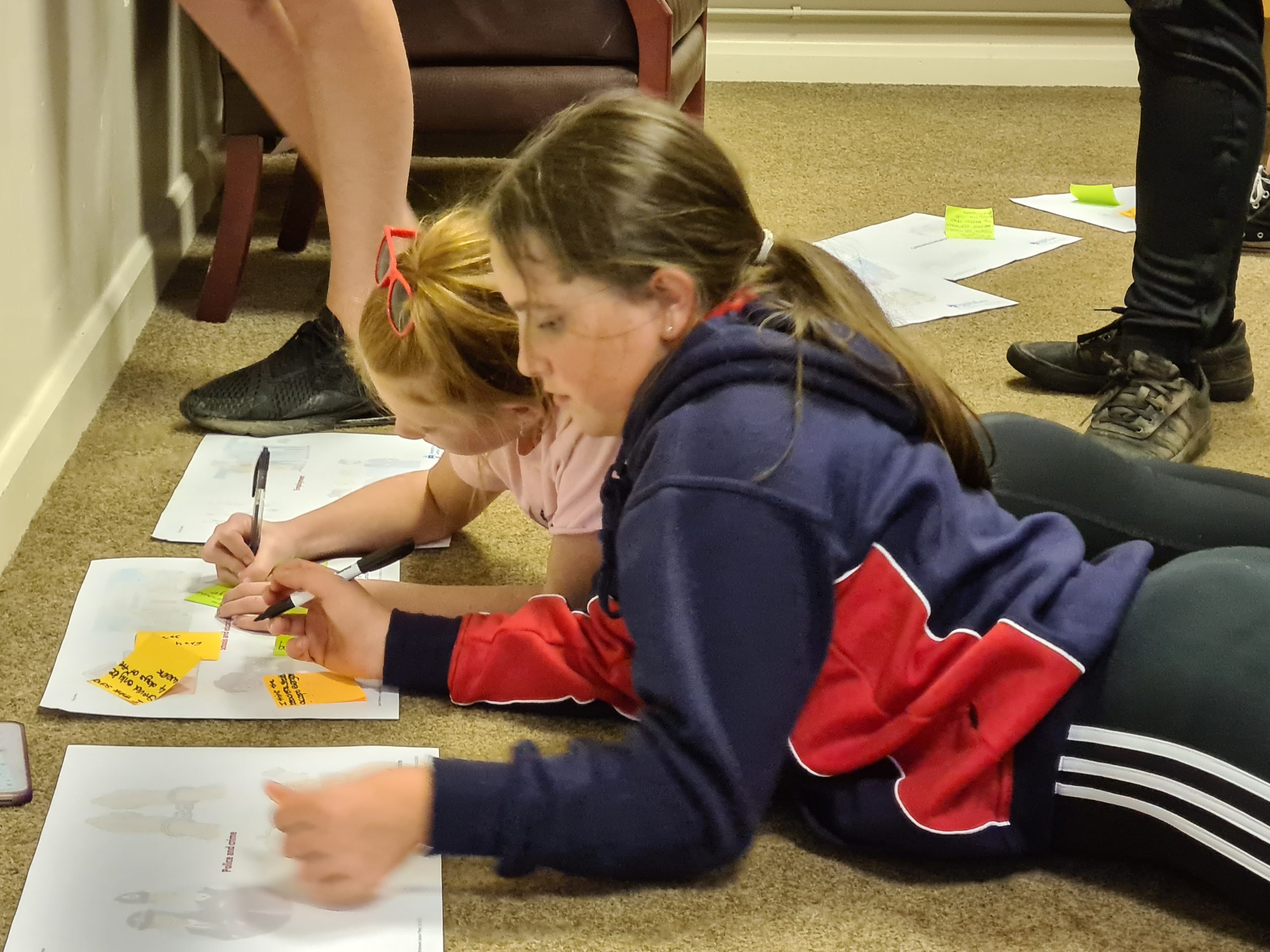
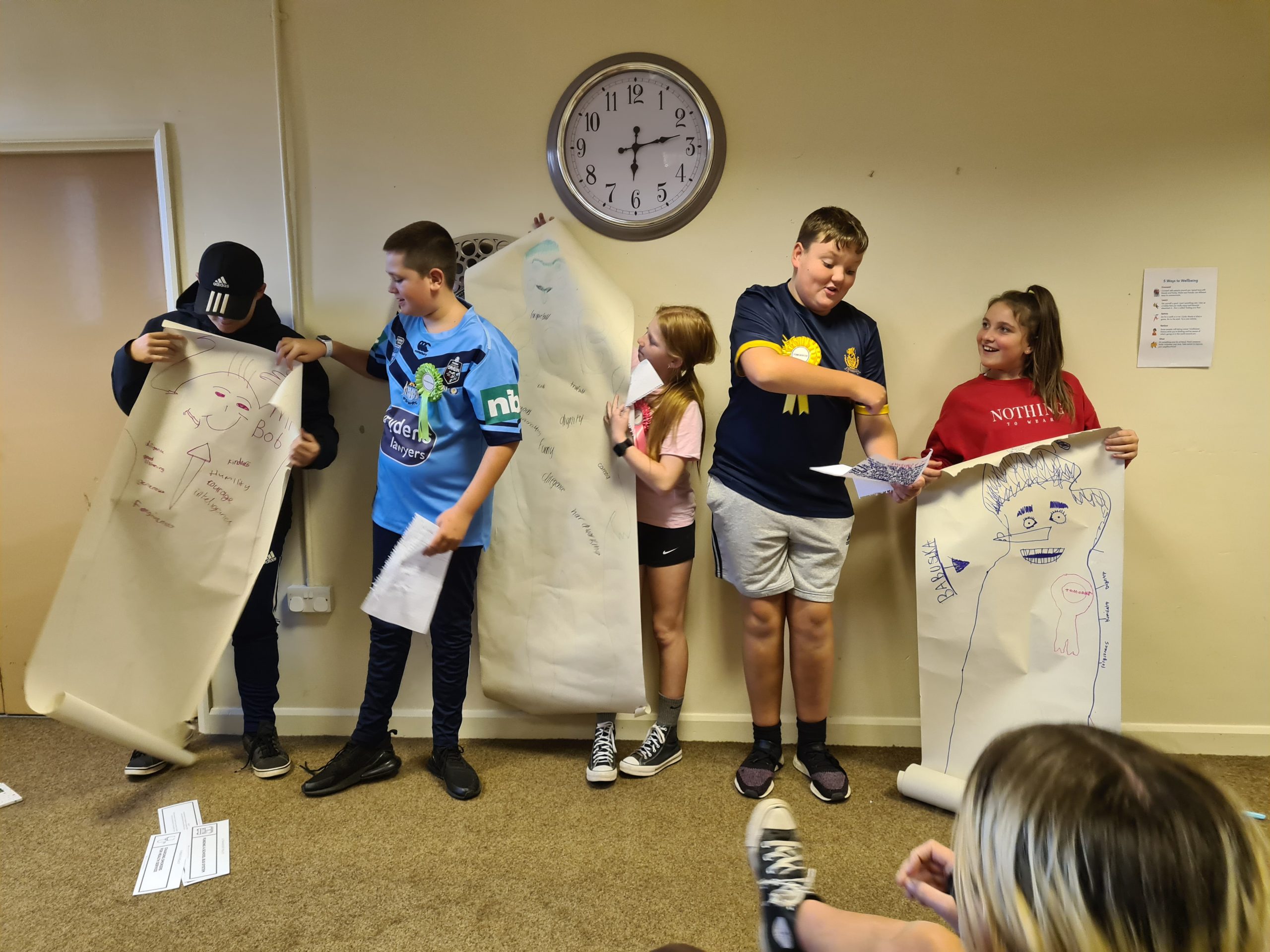
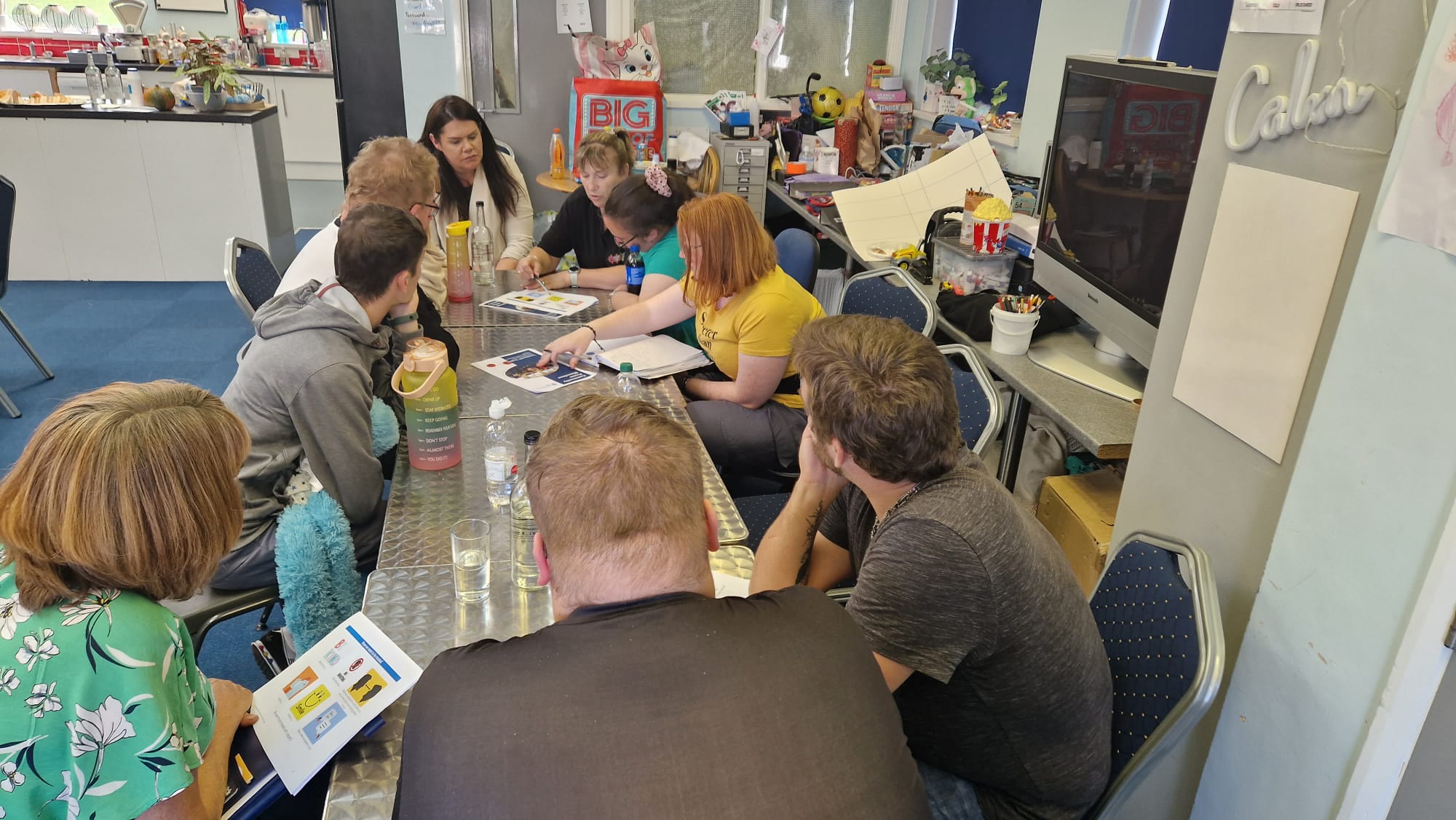
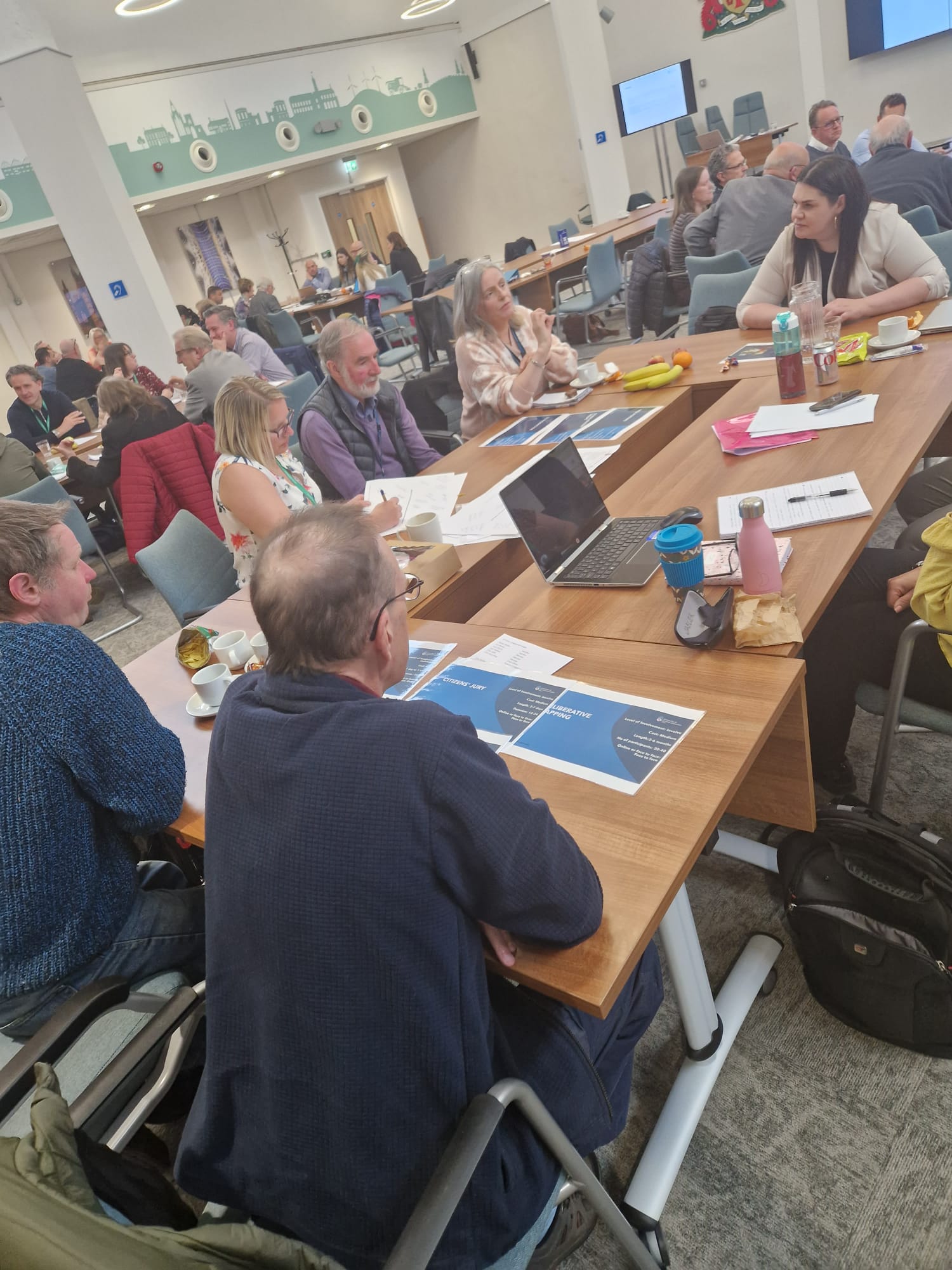
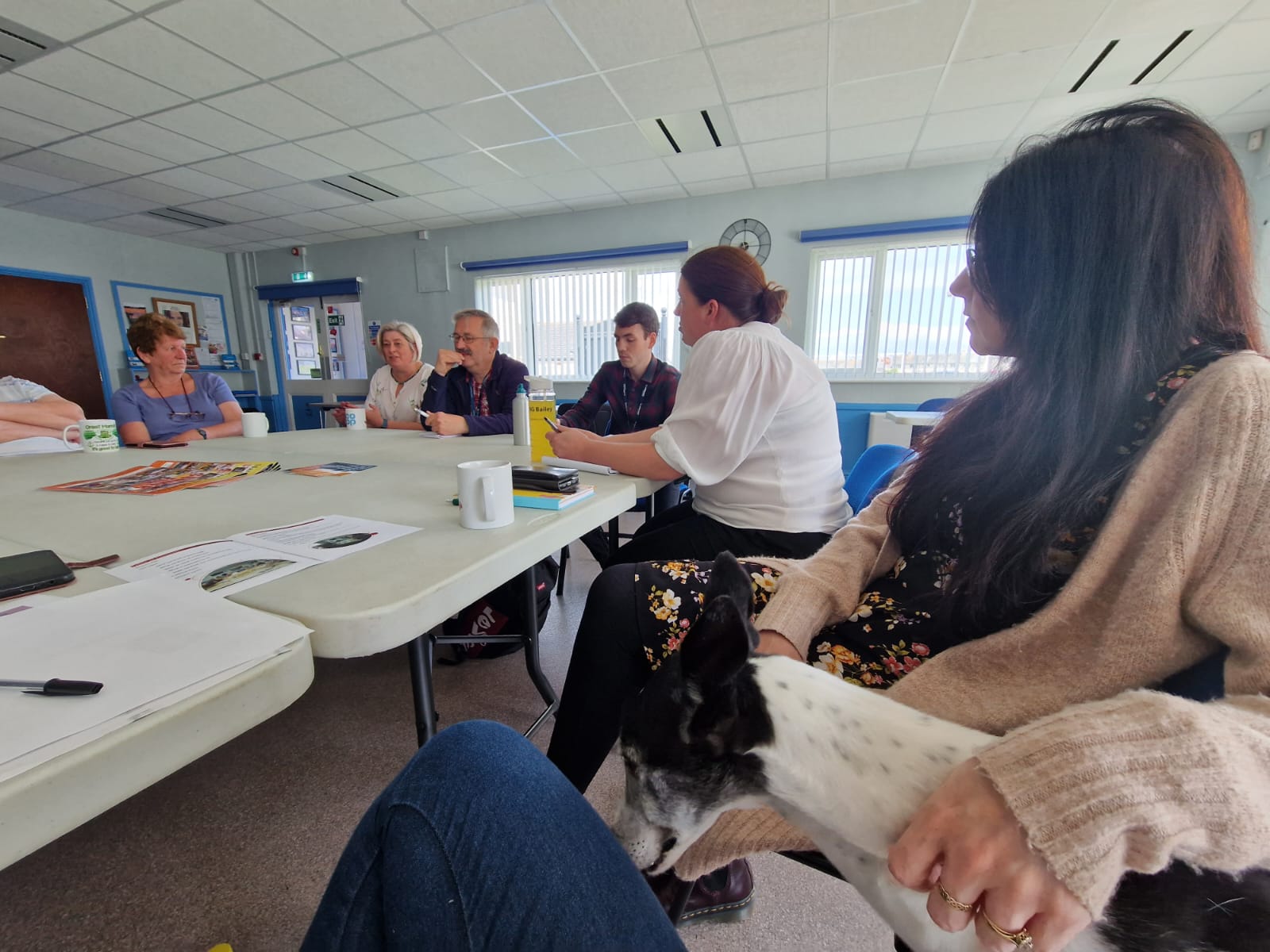
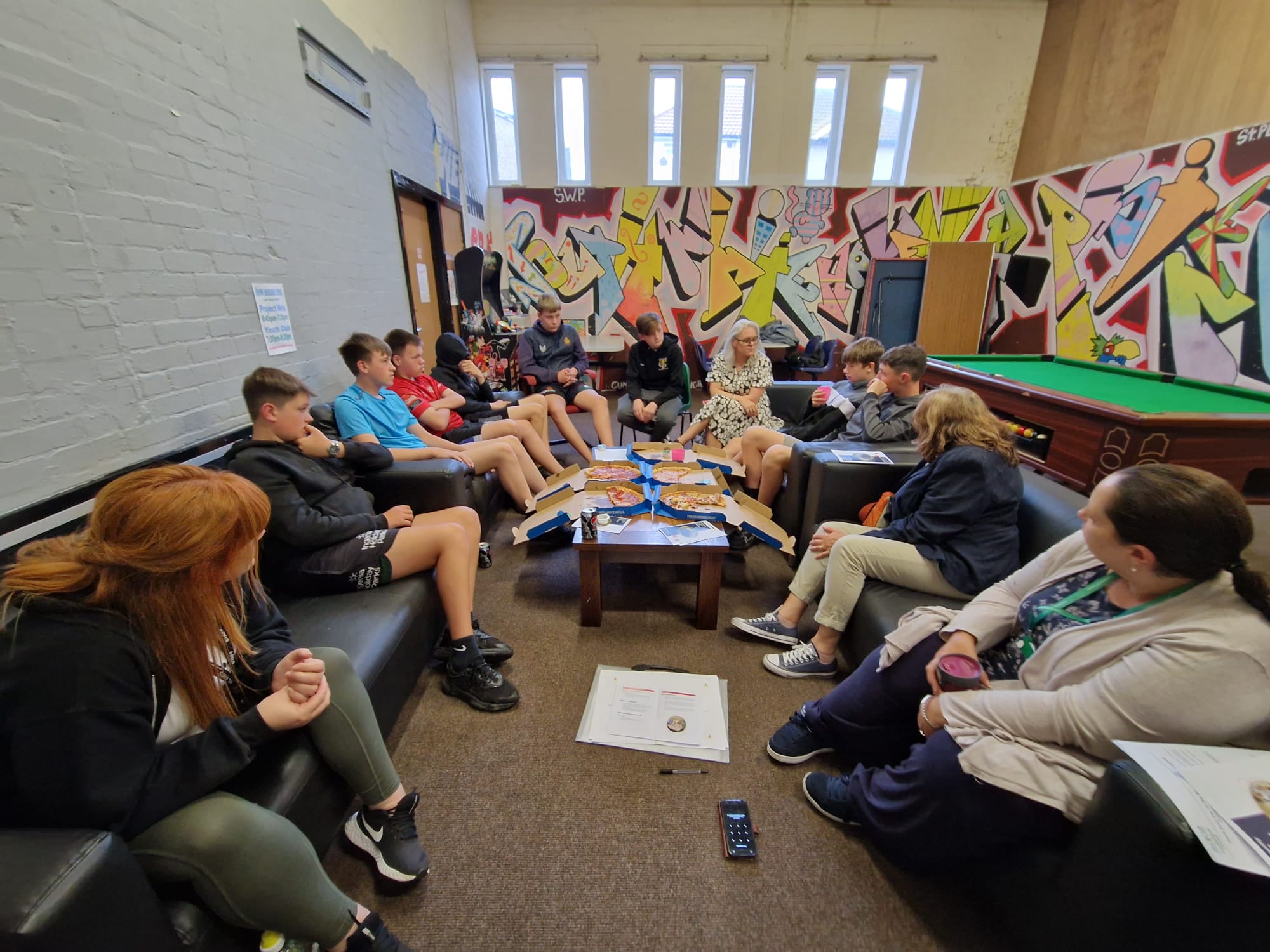
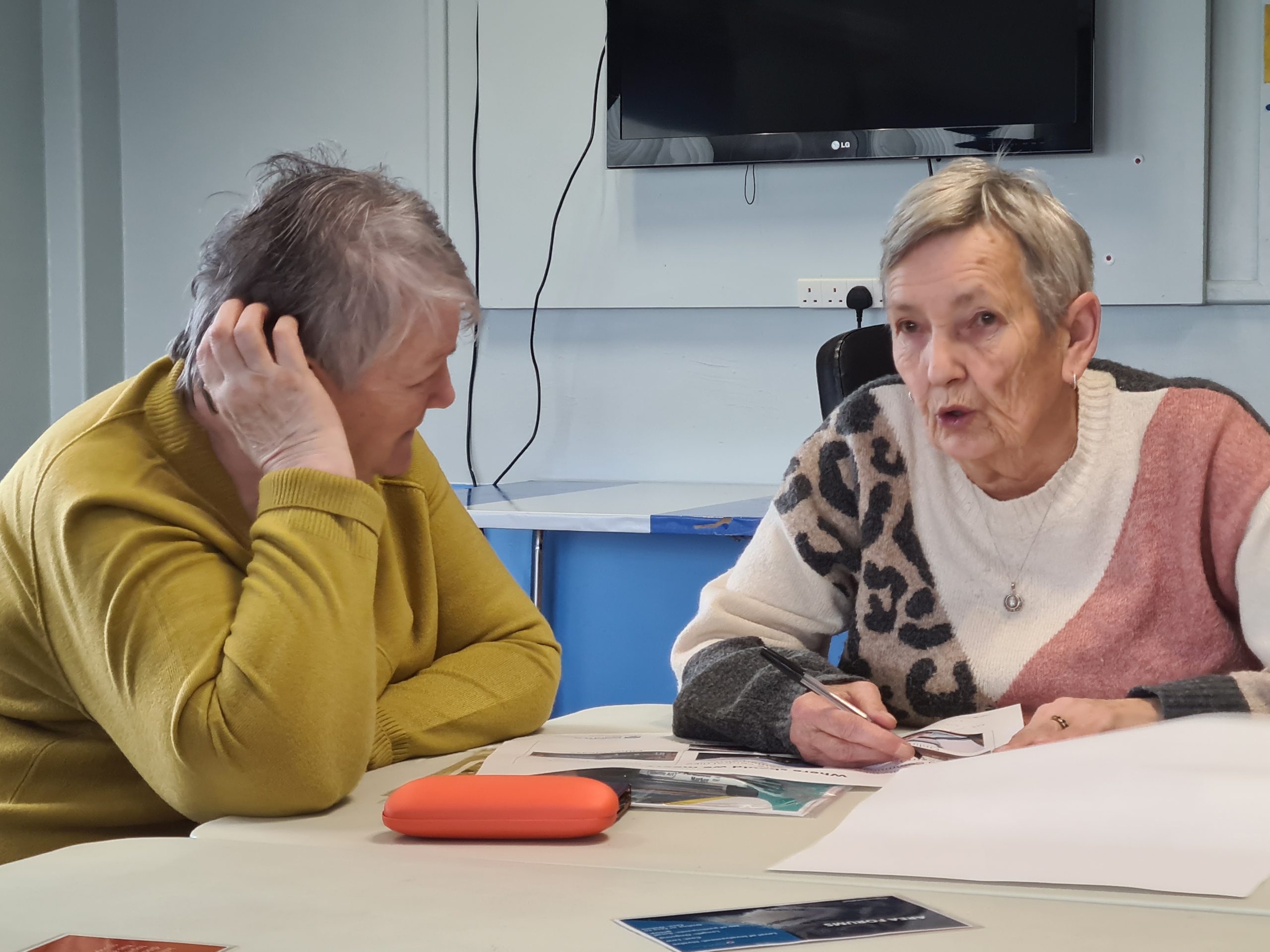
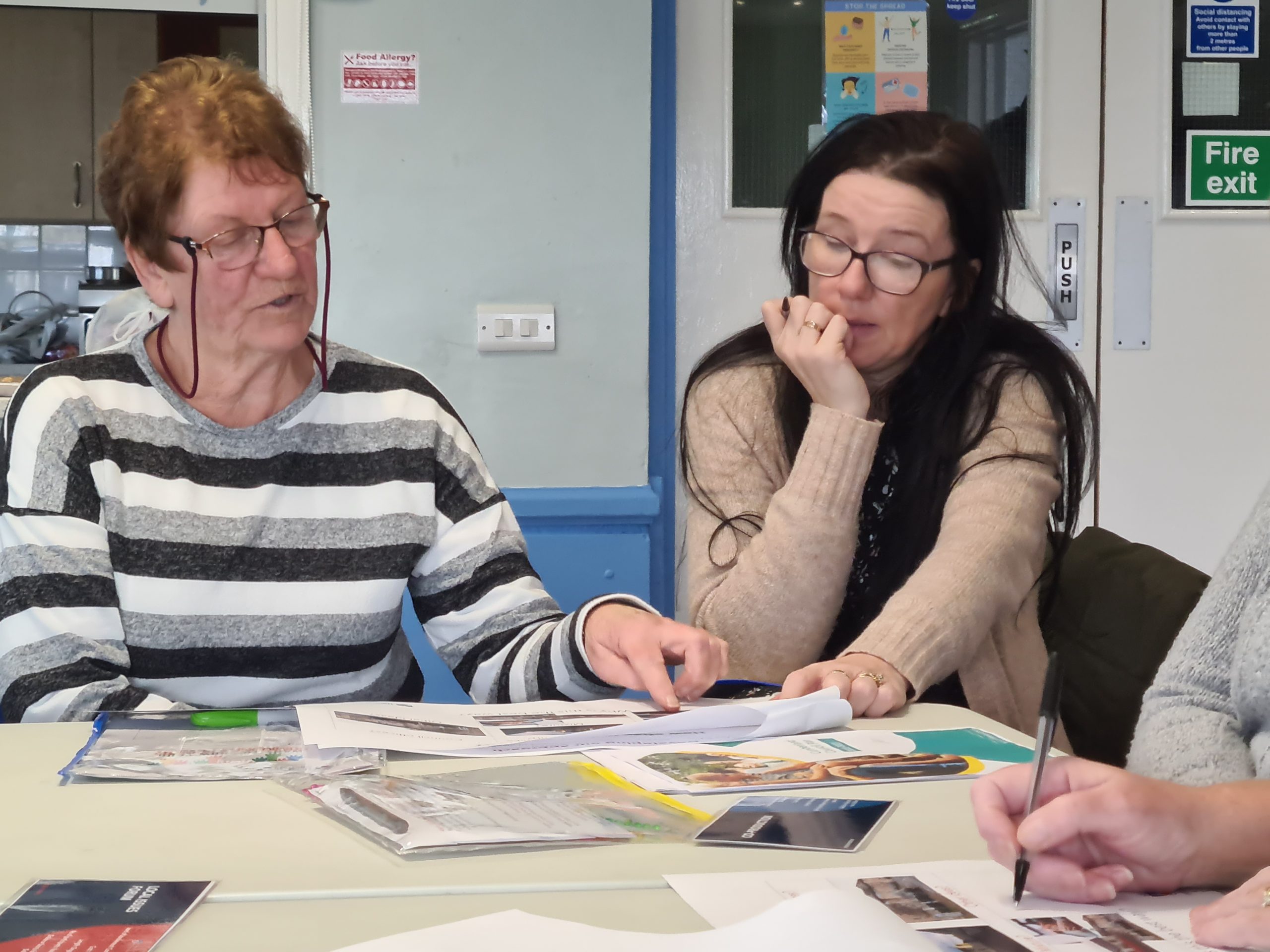
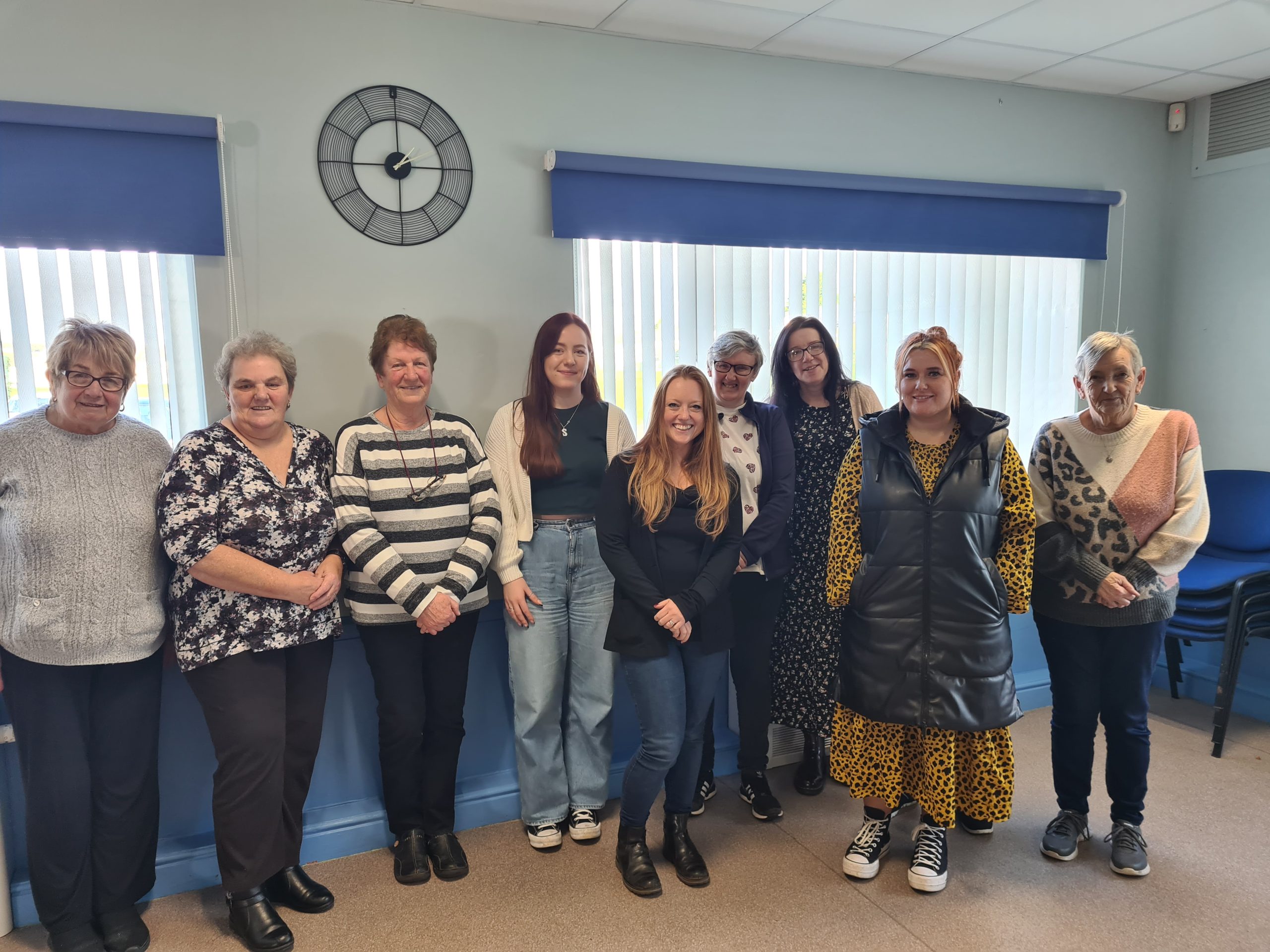
Working closely with 40 residents in four low-income coastal communities considered ‘left-behind’ (Local Trust, 2019), participatory workshops explored enablers and barriers to civic and democratic participation. Acknowledging the previous learning concerning the centrality of relationships in social inclusion and exclusion, particular attention was given to perceived and aspirational relationships between communities and the Council before facilitating co-creative forums. These forums provided the communities and the Council opportunities to collaborate in co-creating innovative approaches to promote engagement in the local democratic system.
Outputs and Impact: