Child Poverty: West Cumbria Child Poverty Forum (2017- )

West Cumbria Child Poverty Forum (WCCPF) promotes social inclusion in families experiencing poverty by working with stakeholder organisations to ensure that policy development and implementation reflect the best interests of such families. Facilitated by the University of Lancashire, members include the local authorities, statutory services and the third sector.

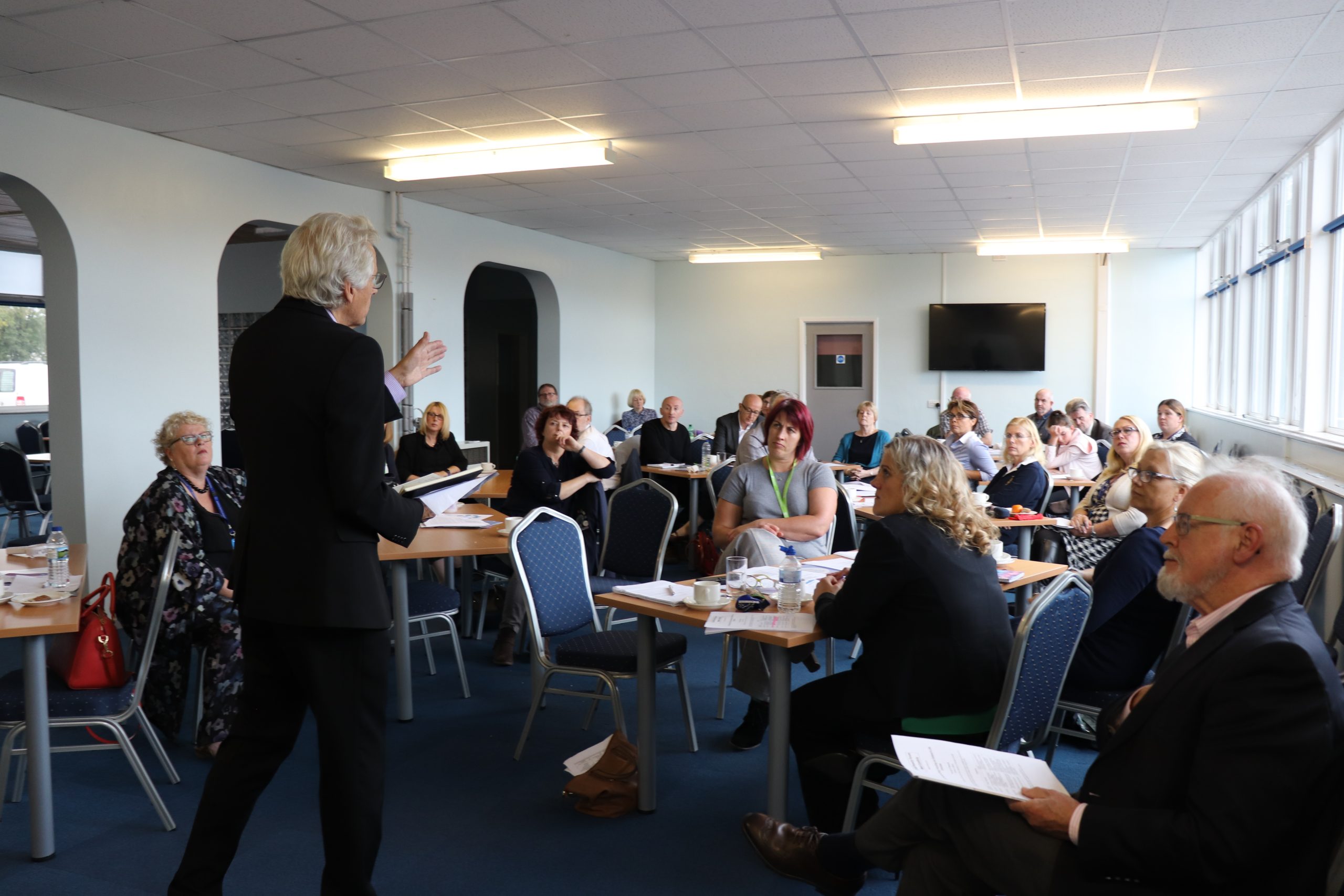
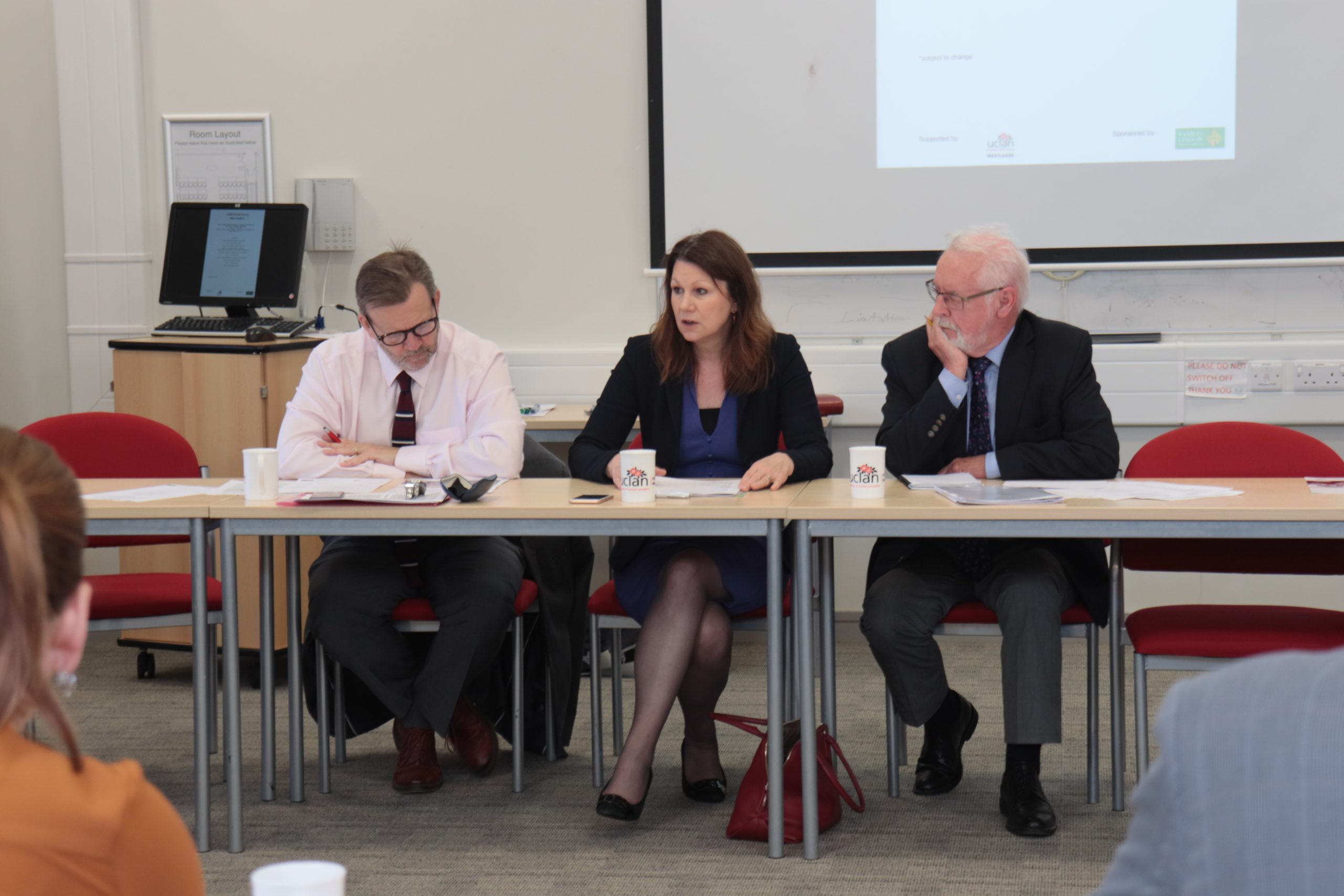
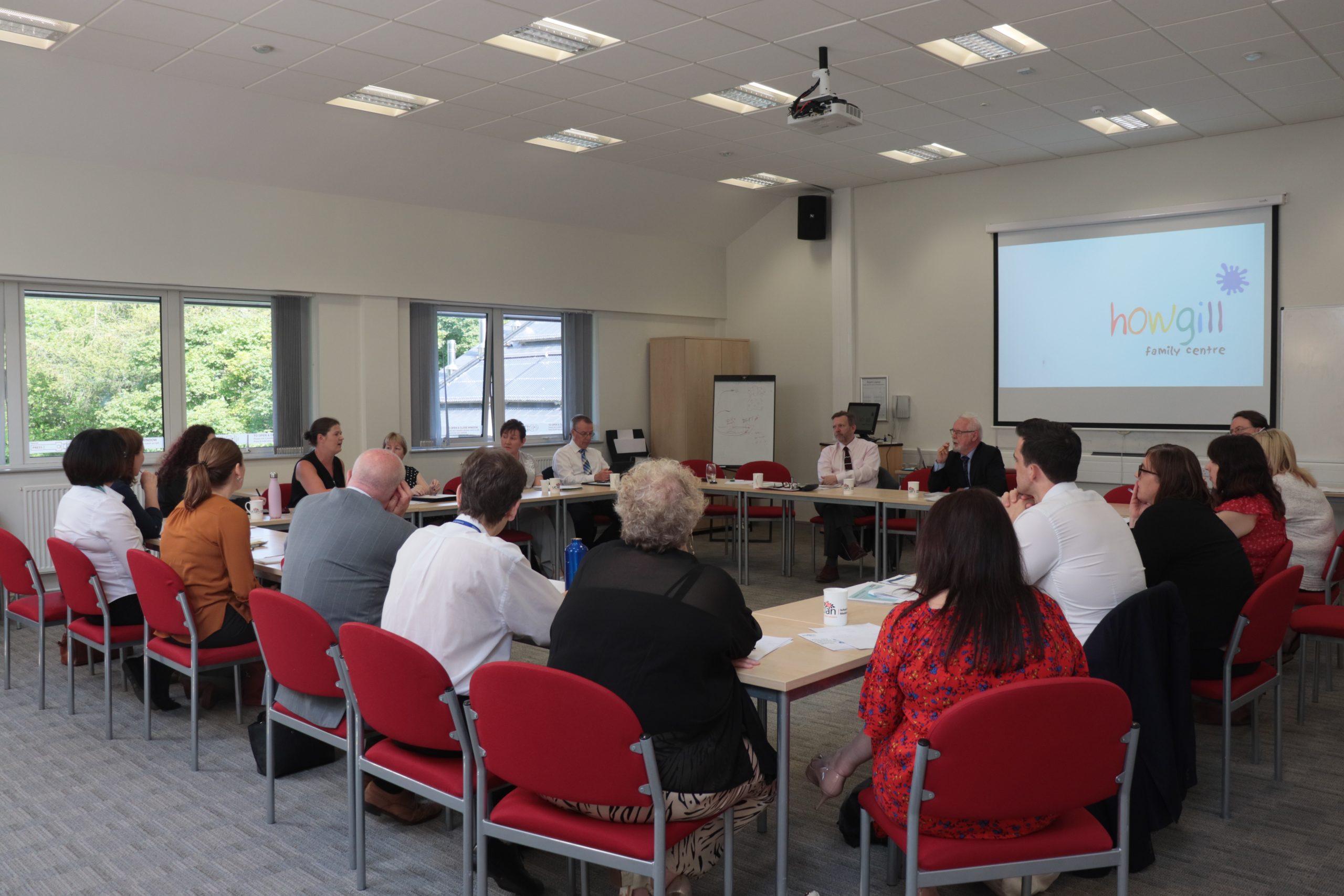
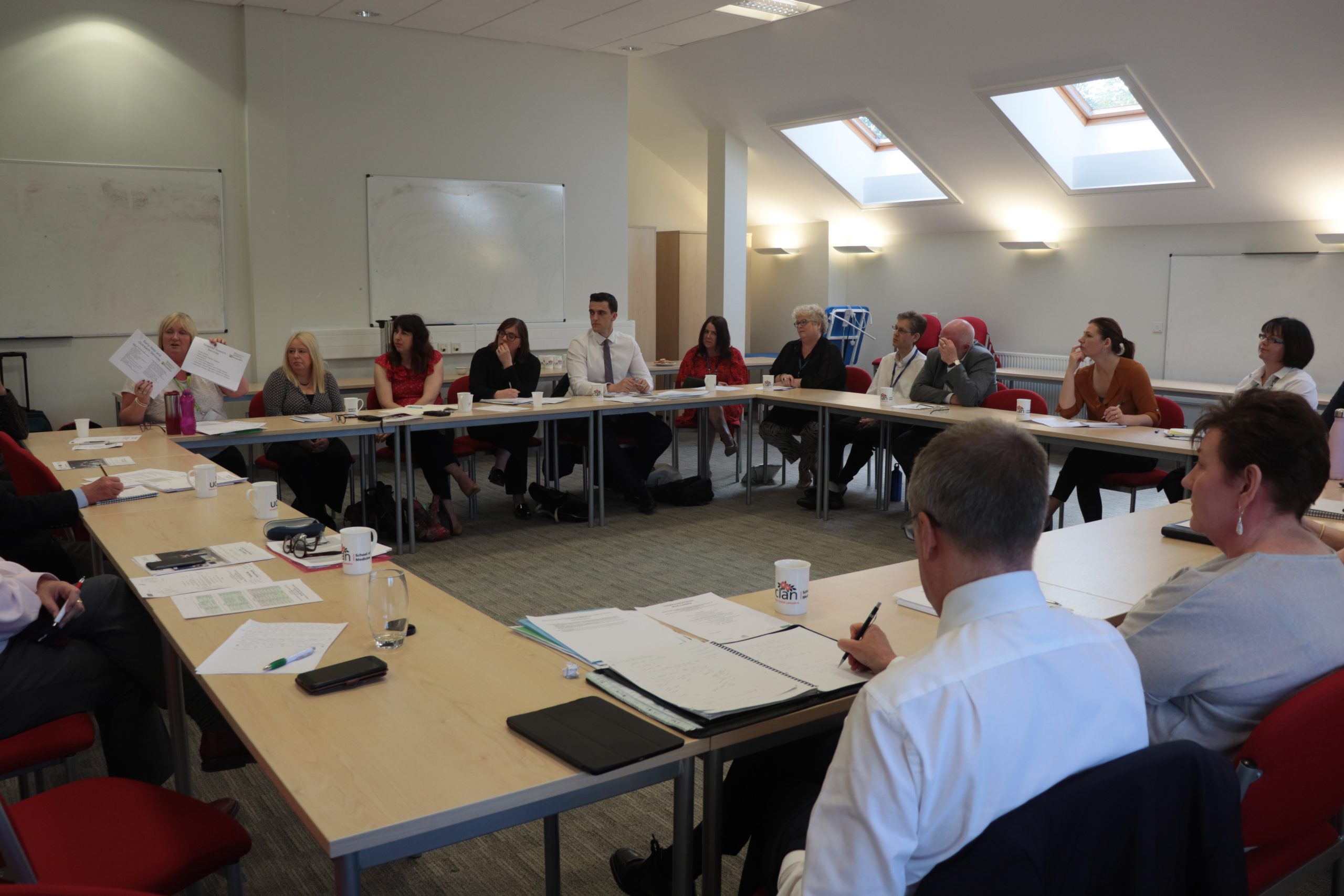
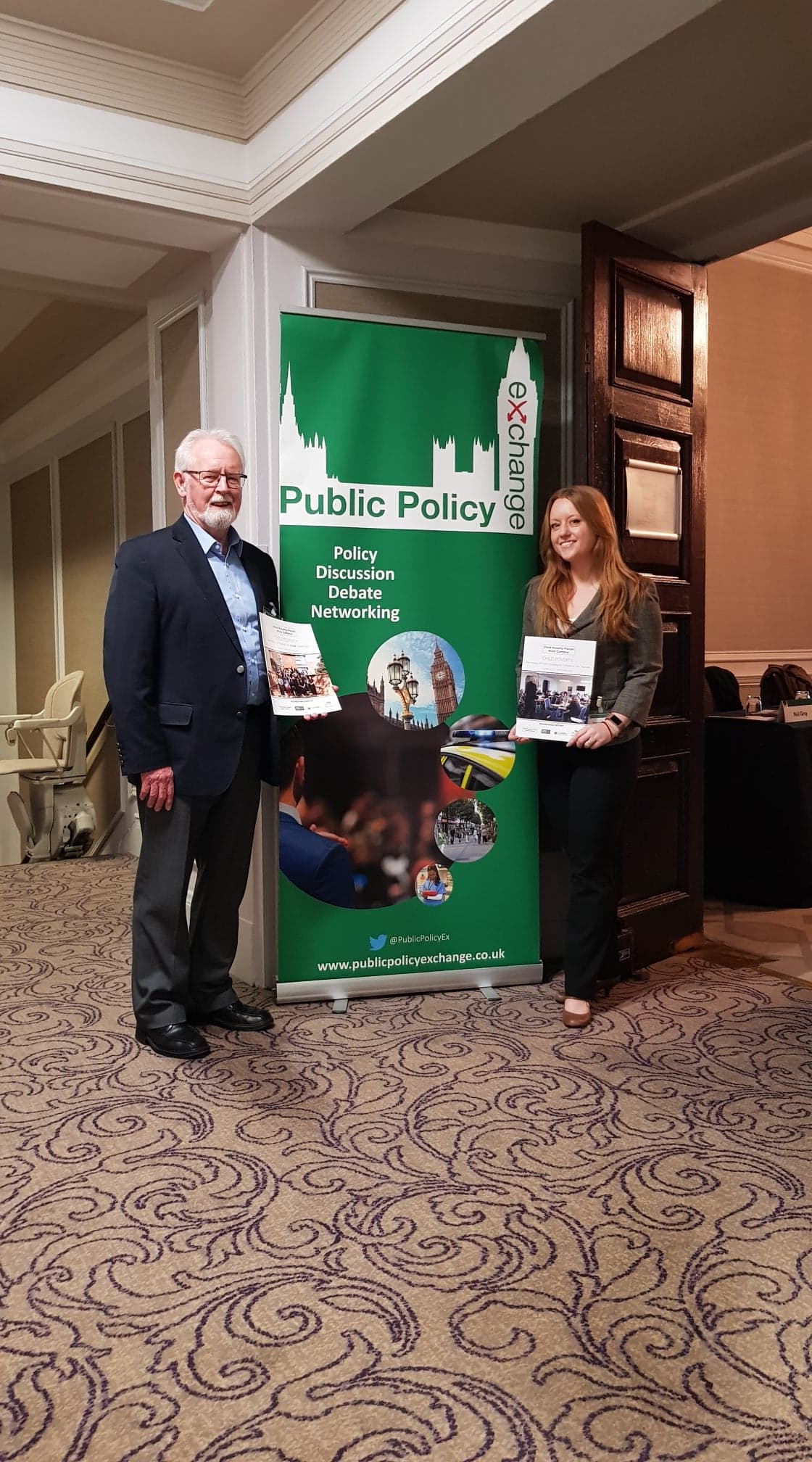
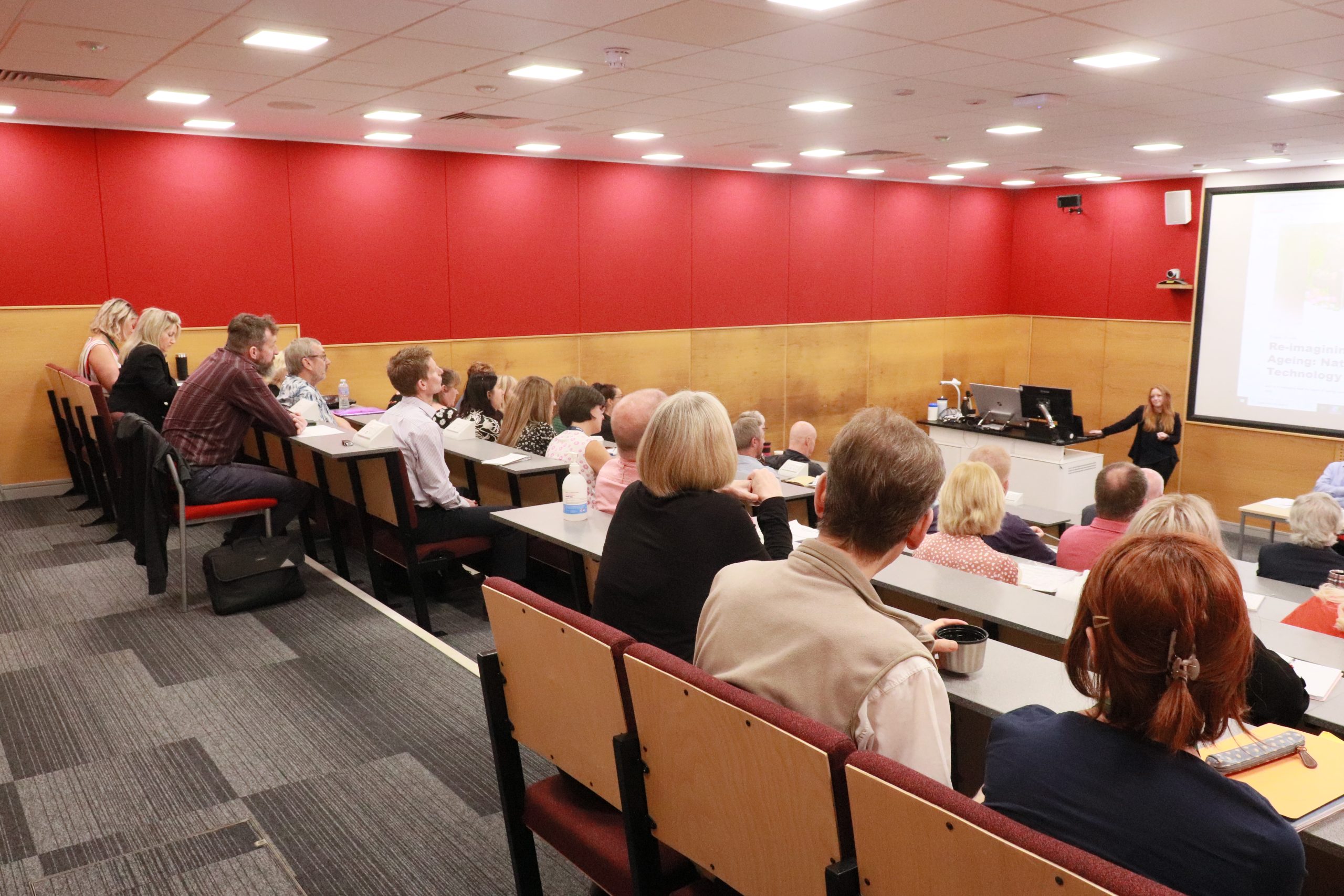
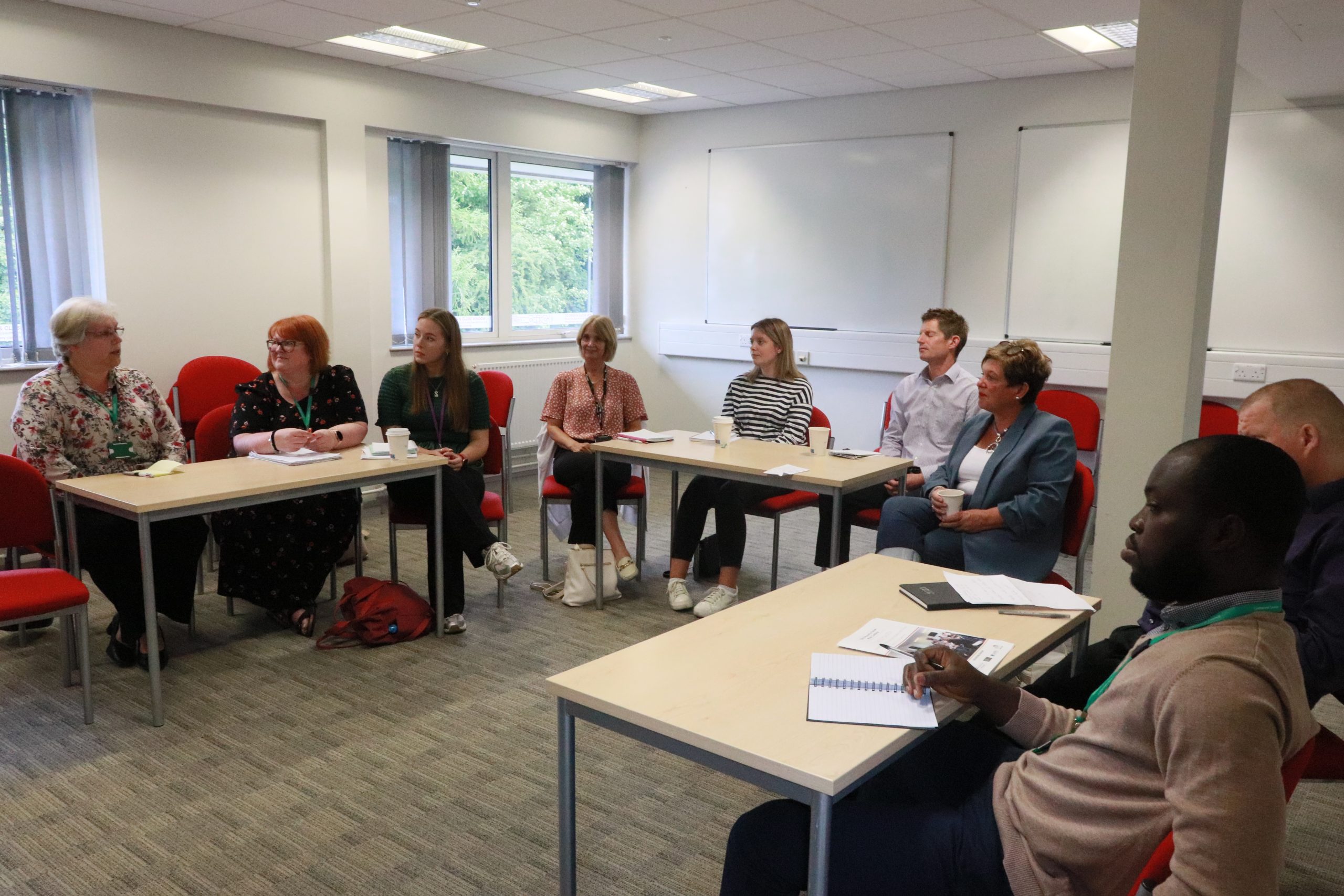
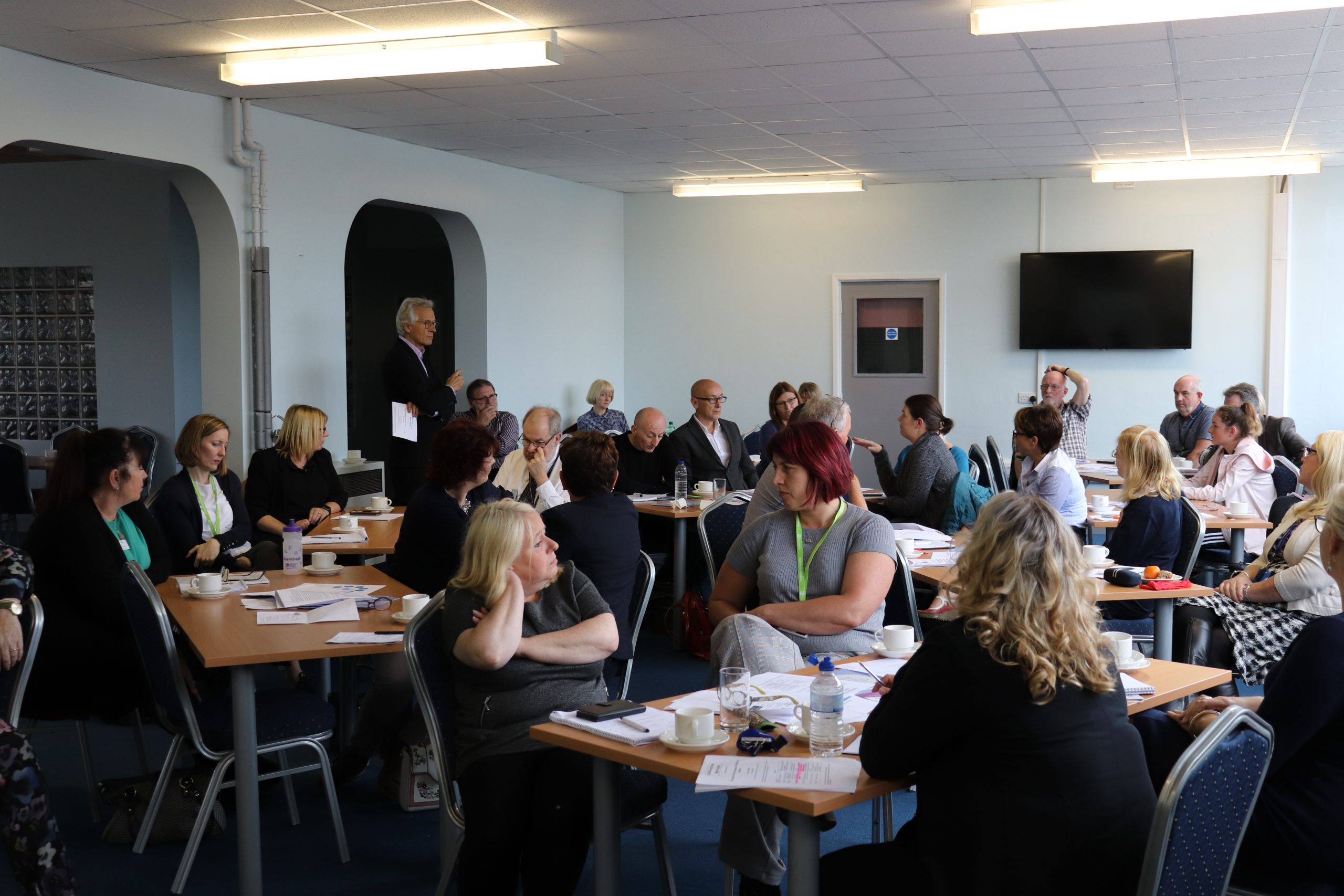
WCCPF influences change by holding themed events attended by MPs, local authorities, schools, housing authorities and third-sector organisations, facilitating dialogue and encouraging collaboration. The events have received a collective audience of over 400 people, leading to the publication of a several reports.  These publications have attracted national/ international interest through multiple dissemination events and presentations.

The proposed work for the next five years will build on the established reputation and influence of WCCPF, piloting the newly developing policy-lab format to facilitate policy co-production.  We want to continue to bring all parties together to create a new way of participatory working to provide inclusive opportunities for young people.
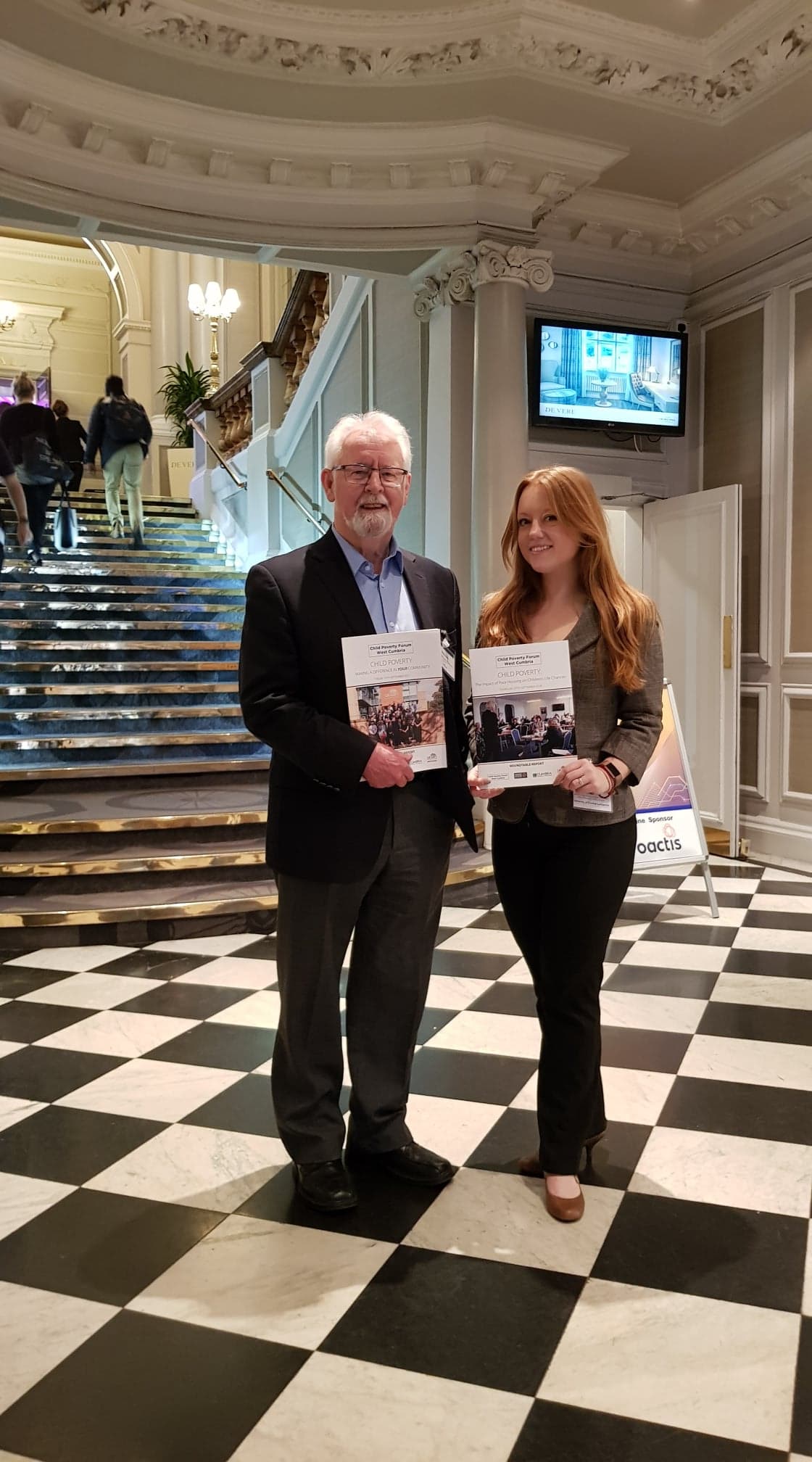
Outputs and Impact:
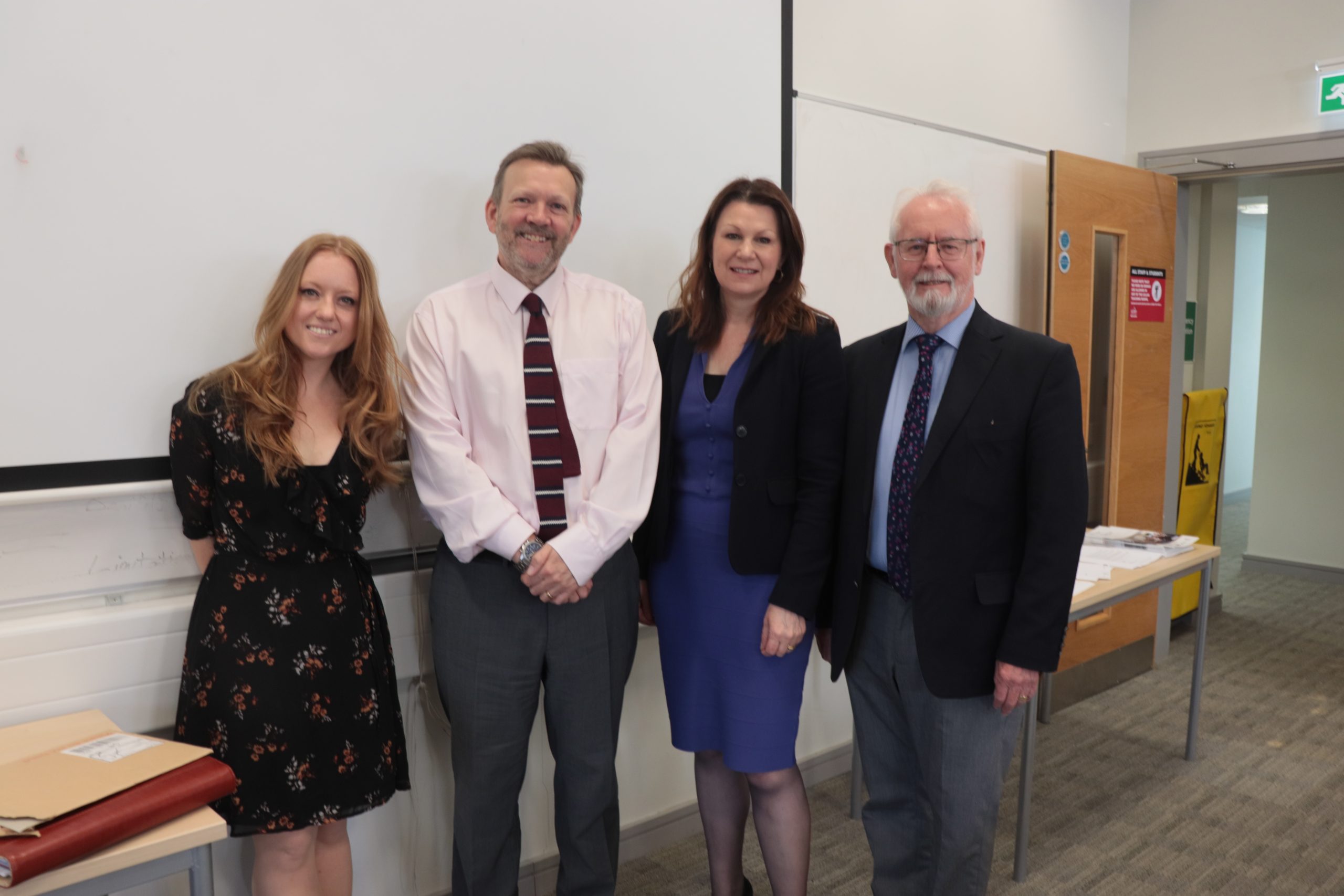
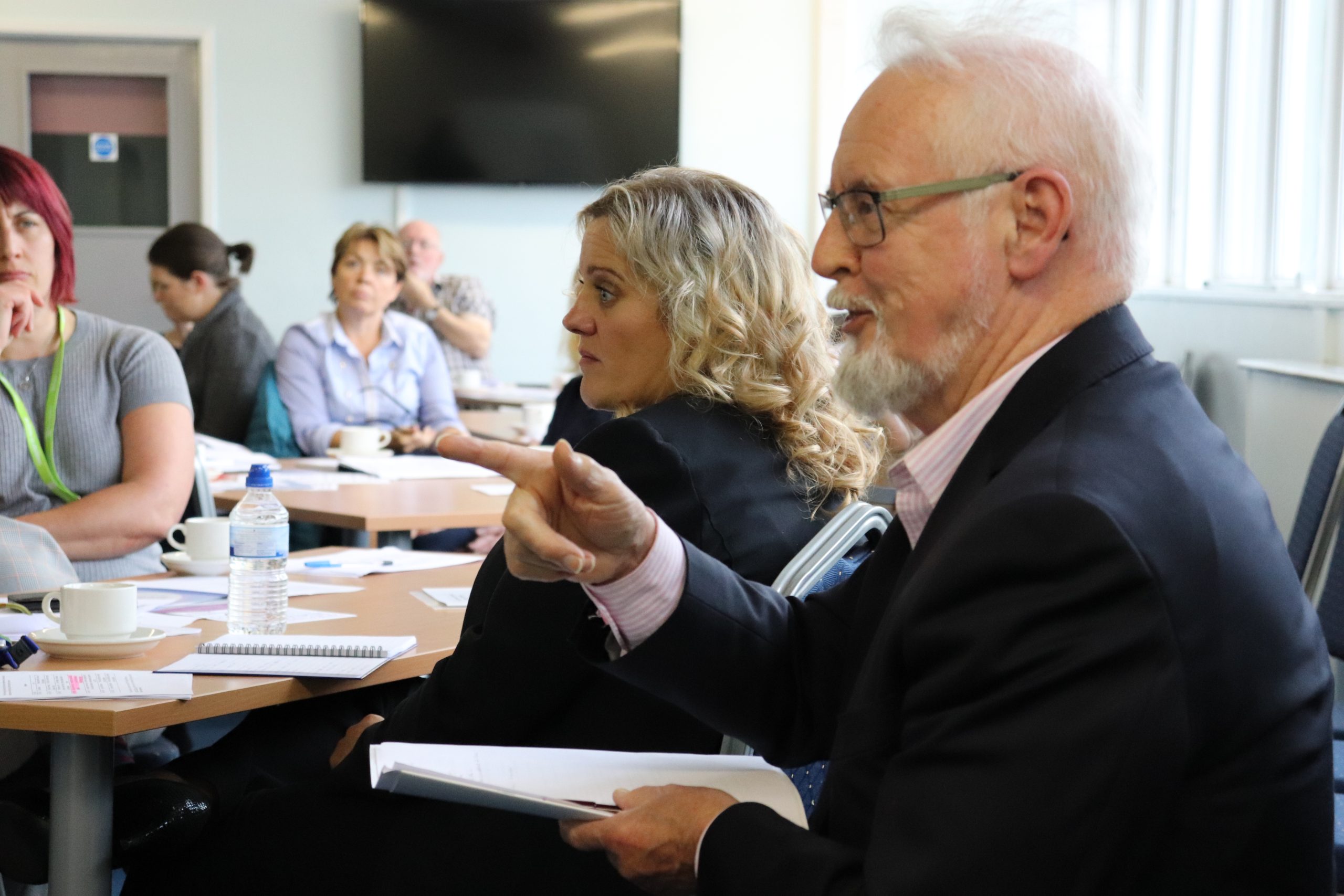
  • Trauma, social exclusion and policy reform: Friday 17th May 2024, University of Lancashire Westlakes Campus, Moor Row.
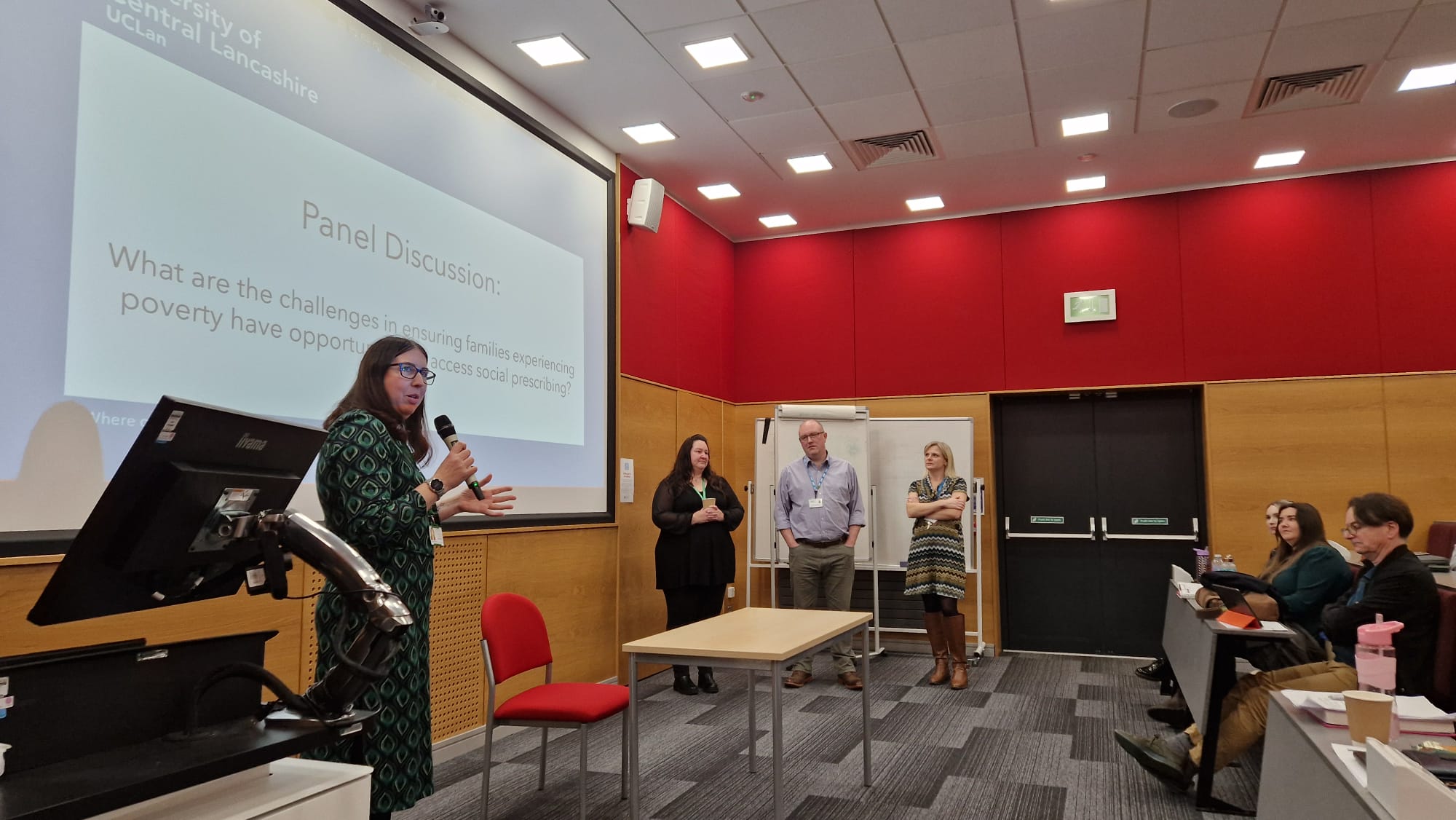
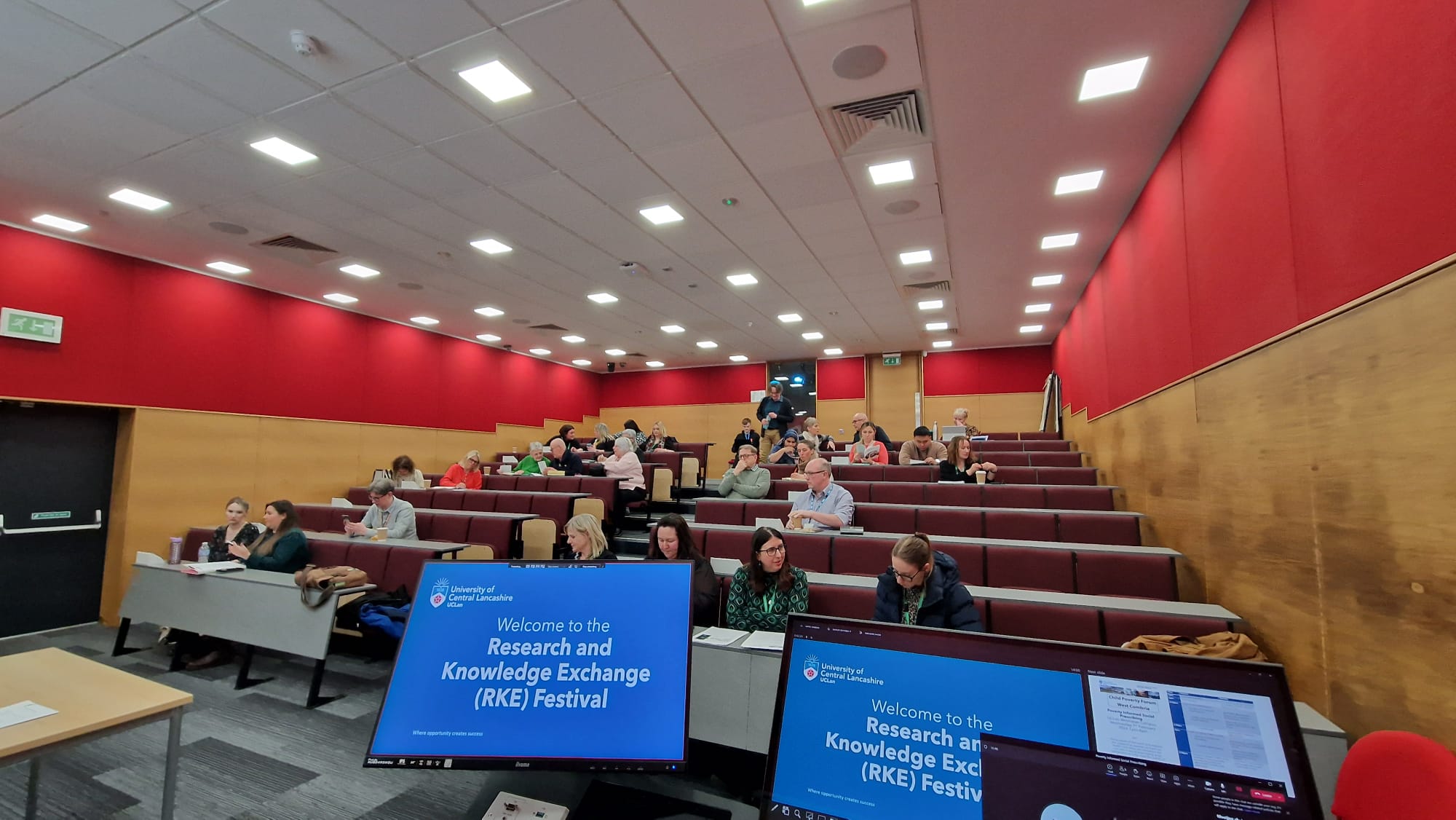
  • Poverty Informed Social Prescribing, Wednesday 7th February 2024, University of Lancashire Westlakes Campus, Moor Row.
  • Understanding the real impact and consequences of the increased cost-of-living on children and young people, next steps: Wednesday 22nd November, University of Lancashire Westlakes Campus, Moor Row.
  • Understanding the real impact and consequences of the increased cost-of-living on children and young people, Monday 10th July 2023, University of Lancashire Westlakes Campus, Moor Row.
  • Building a Therapeutic Community around the Child:, Wednesday 21st October 2020, Online.
  • Moving from a Transactional to a Relational Approach to Meet the Needs of Families: Friday 21st June 2019
  • The Impact of Poor Housing on Children’s Life Chances: Thursday 27th September 2018, Moorclose Community Centre, Workington.
  • Making a Difference in Your Community: Friday 15th September 2017, University of Lancashire Westlakes Campus, Moor Row.
  • Slavin, Willie and Wilson, Suzanne (2021). Child Poverty and COVID 19– the Emerging Picture. Networking: Catholic Education Today, 22 (1). pp. 14-16.
  • Wilson, Suzanne (2021). Parental Engagement Under Lockdown: Reflections on Disadvantaged Families’ Perceived Barriers in Home-Schooling. Networking: Catholic Education Today, 22 (1). pp. 37-38.
  • Wilson, S., and Slavin, W., (2020). The impact of COVID-19 on families in West Cumbria (2020). Discussion Paper.
  • Wilson, S. and Slavin, W. (2019). Child Poverty: Moving From a Transactional to Relational Approach to Meet the Needs of Families. Discussion Paper.
  • Wilson, S., and Slavin, W., (2018). The Impact of Poor Housing on Children’s Life Chances. Discussion Paper.
  • Wilson, S., and Slavin, W., (2017). Making a Difference in Your Community (2017).  Discussion Paper.
  • The Impact on Families Experiencing Poverty and The Role of Community Psychology. In: 78th Annual Conference International Council of Psychologists, 11-13 December 2020, Virtual.
  • The Impact Of Poor Housing On Child Poverty And Children’s Life Chances. In: Tackling Child Poverty: The Way Forward, Wednesday 13th November 2019. London: UK.
  • Child Driven Policy using Youth Participatory Action Research. In: Tackling Child Poverty: Building a Positive Future for Britain’s Youth, Tuesday 5 March 2019. London: UK.

Public value is central to the research, which also expands on the themes continually emerging from the work of WCCPF, relational practice, collaboration and partnerships, community wealth building ad policy co-creation. Considering these themes, WCCPF will specifically view social inclusion in terms of health, wellbeing, and place consistent with the WRL research themes. Principles behind the Preston Model and Community Wealth Building will also be integrated into understanding collaborative practices in achieving public and social value.

The project will collaborate with local and national partners from various sectors, drawing on existing relationships and fostering new ones. These include the public sector (for example, Cumberland Council), third sector (for example, Howgill Family Centre, Cumbria Community Foundation) and private sector (for example, Sellafield Ltd, BECBC)

The impact of the policy lab method will be continually evaluated, and findings will be disseminated through national networks. These include think tanks and action groups such as the Joseph Rountree Foundation, the Child Poverty Action Groups and People’s Powerhouse.

Existing connections to central government departments will also be utilised to ensure the research maximises impact, including the Department for Levelling Up and the Policy Lab within the civil service. By drawing on the emerging literature on public and social value (for example, Manley & Prinos, 2023),  new understandings concerning the concepts will be explored and the aims and objectives of the WLR project will be enhanced through the collaboration between research projects and the different disciplines that have been brought together for the purposes of seeking fruitful alternatives to economic value and social transformation, in Cumbria and beyond.

Partners, collaborators and active networks